A Time-Travelling Journey A Conversation With People About Upvc Door Handle Replacement 20 Years Ago


Choosing the Right UPVC Door Handle Replacement
It's easy to replace your handles made of upvc however choosing the best handle can be a bit difficult. The majority of modern double-glazed handles include spring cassettes within them, however older models don't have.
If the handle made of upvc on your multipoint lock is sloppy and floppy, there may be an internal problem. This article will discuss several possible causes and the potential solutions.
Handles that are drooping or sagging
UPVC handles are prone to wear and tear, especially in older properties. A damaged spring cassette on the door lever is the most frequent reason for a floppy handle. This is caused by excessive force and the square spindle that holds the cassette may be moved or turned round.
The good news is that replacing the door handle made of uPVC is a fairly simple task and can be completed within a couple of minutes. The first step is to remove the old handle by removing the fixing screws visible on the side of the lever plate. Once the handles are removed, you can unscrew and replace the cassette.
Online you can choose from a variety of uPVC handles available with different finishes. Selecting the right finish will determine how long your handle will last and how easy it is to keep clean. Finishes like PVD, Stainless Steel or Resista are designed to resist corrosion and will last up to 25 years.
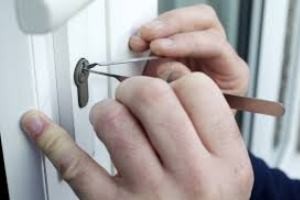
Once you have selected the colour or style you can choose the type of handle you need. The most popular are lever and pad arrangements. Lever pads feature a lever on the inside and a paddle on the outside which is typically used as a security feature to prevent unauthorised access.
Then, take bifold door handle replacement and record the dimensions of the handle you have. You will need to know the PZ dimension (the distance from the screw hole to the middle of the lever), the length of the handle, and the size of the keyhole. You can compare these measurements to the handle size matrix to determine the right replacement.
Broken springs
Over time, the handles of uPVC doors can get loose or wobbly and occasionally the spring cassette inside could break. The tiny springs bring the handle lever to a horizontal position. without them your doors won't be able to lock properly.
Modern uPVC handles come with these cassettes built directly into the back plate. However, older uPVC doors typically have these springs built into the lock mechanism. This isn't something you can be fixed by yourself, but it is worth getting your locksmith to look at as this could be the reason for the sagging or drooping uPVC door handles.
One of the most frequent issues that is commonly encountered with uPVC door handles is that they become loose or wobbly with time. This is usually due to worn out springs that can be easily fixed. The reason for this is usually excessive handling of the handle. The square spindle inside the handle will wear down and cause the springs to move.
To fix this, you will need open the door to the handle plate, then unwind all the screws. This can be accomplished using a Philips screwdriver. After the screws are removed, the handle can then be taken off. The handle plates can then be carefully pulled apart. The springs are able to be removed and replaced with new springs.
Depending on the type of handle you are using the distance between the two fixing screws may differ and it is important to know when purchasing an alternative. This measurement is referred to as the PZ and it is crucial to use a calibrated measuring tape in order to get an precise reading.
After replacing the springs, you should be able to operate the handle without any issues. However, it's always recommended to lubricate the mechanism inside to ensure that everything works as it should do. This will not only ensure that your uPVC doors are as secure as possible but will also make them more comfortable to use in the long run.
Handles that slide around
Handles that slide are caused by a variety of things. One of the most common causes is that the levers of the handle are not aligned with the lock. This can happen with both uPVC and composite doors, but is typically more evident on older doors since they are typically made of cheaper materials that don't hold up to the elements.
A professional can solve this problem by realigning the handles to ensure they are aligned with the lock. They'll also inspect the lock to see whether anything needs to be fixed. In most instances, a minor adjustment to the handle springs is all that's needed to solve this problem.
It's easy to replace your uPVC handle However, you must measure the existing handle to ensure that the new one is the correct size. You'll need to determine the distance between the two screws, the size of the keyhole and lever, as well as the distance between them. Then, you can use this uPVC handle size guide to locate the right replacement for your home.
Once you have the measurements, the next step is to eliminate the existing uPVC handles. It is usually quite easy and requires just a screwdriver reach the screws on the inside of the door. Once the screws have been removed, you'll need to take off the handle, and then install the new one.
Before you begin, it's worth ensuring that the door is secured open using a wedge to stop it from closing in the middle of your work. After you have removed the handle it is now possible to access the underlying parts of the door to fix the issues that cause it to sag.
If you don't have the patience or energy to tackle this task yourself, a handyman from Fantastic Services can help. They will use special locks to unlock the doors without damaging the door. They will then replace the damaged handle and ensure that everything works just as it should.
Damaged gearbox
A damaged gearbox can cause the upvc handle to become stiff and lose its functionality. This can also prevent the lock from being able be opened with the use of a key. This can be dangerous and must be addressed as quickly as is possible. If you are unable resolve the issue yourself, it is important to call a locksmith since they have the expertise and tools necessary to get the job done correctly.
The first step is removing the handle from the cover plate. This can be done using a screwdriver that has a flat head. After you remove the handle, take out the middle screw that holds the cylinder. After taking out the middle screw, you'll be able loosen the two screws that hold the barrel. Then you can take the barrel out of the door. You will have to open the door to do this, so make sure you have someone on hand to assist.
After you have removed the cylinder and replacing it with a brand new cylinder. It is essential to make sure that the new cylinder is the exact size as the old one. You may have an incorrectly aligned handle. This could cause a range of issues, such as leaks and drips.
Many upvc door handles have slots that allow for adjustment. These slots can be used to tighten or loosen the handle. These are usually located on the inside of the door close to where the handle meets the cylinder. The slots for adjustment can be tightened with an allen wrench. Once you have made the adjustments you can place the handle back into place and screw it into. You can then test the handle and make sure it works correctly.
The door handle of upvc becoming loose when closed is typically an indication that the gearbox or internal spring components have failed. This could cause the multipoint lock made of upvc to fail and leave your door open to intrusion. In this situation the upvc gearbox must be replaced. The cost will range from PS145 to PS280 with the labor included.